

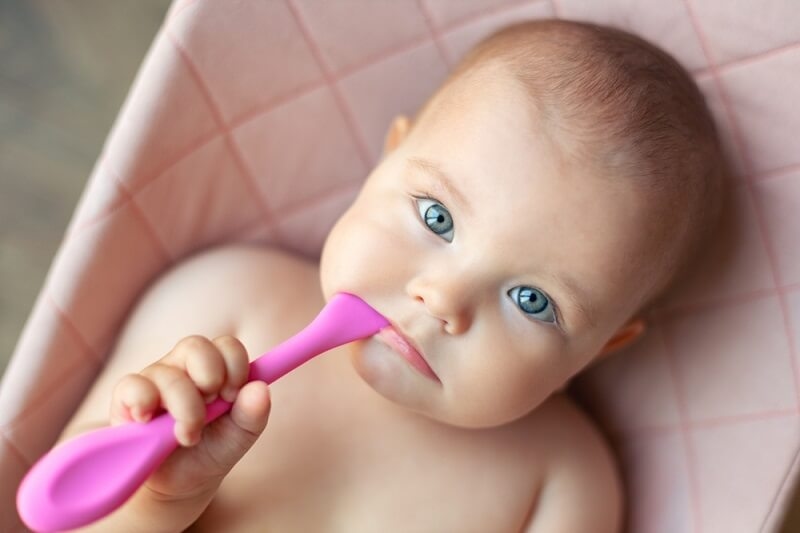
Baby teething can catch even the most prepared parents off guard. One week, your baby is all gummy smiles, and the next, they are drooling, chewing, and waking up at odd hours. Is it teething symptoms or just a growth phase? When do babies start teething, and how do you help them feel better? In this guide, we will walk through the common signs, soothing tips that actually work, and how to clean baby teeth so you can handle this milestone with confidence.
If your usually cheerful baby suddenly seems fussy, drooly, and determined to chew on everything in sight, you might be entering the world of Baby Teething. It is one of those milestones every parent hears about, yet it still feels like a surprise when it arrives.
Baby teething is the process of your baby’s first teeth pushing through the gums. These are called primary teeth, and there are 20 of them in total. They do not appear all at once, thankfully. They come in gradually, usually starting with the bottom front teeth.
Teething can sound dramatic, but it is a natural growth stage. The gums swell slightly as a tooth moves upward. That pressure creates discomfort. Imagine wearing tight shoes that are slowly being stretched from the inside.
Here is the honest part. Teething often shows up around the same time babies go through sleep changes or growth spurts. So when your baby is waking more at night, you might wonder, Is it teething or something else?
Now that we have covered the basics, let’s talk about teething symptoms. Not every baby reacts the same way. Some barely fuss. Others let the whole household know a tooth is coming.
Drool. So much drool.
When teeth start moving under the gums, saliva production increases. You might notice damp shirts, shiny chins, and maybe even a mild rash around the mouth. Bibs become your new best friend.
Chewing is another classic sign. Babies may gnaw on toys, fingers, crib rails, or your shoulder. That pressure helps counter the discomfort in their gums.
A baby who was sleeping fine may suddenly wake more often. Discomfort tends to feel worse at night when there are fewer distractions. You may also notice shorter naps or general crankiness during the day.
Is it frustrating? Yes. Is it temporary? Also yes.
If you gently wash your hands and feel along your baby’s gums, you might notice a slightly raised or firm area. The gum can look red or swollen where the tooth is about to break through.
Sometimes you can even see a faint white line under the surface. That is the tooth getting ready to make its debut.
Some babies have a slightly elevated temperature during teething, but it should stay low-grade. If your baby has a high fever, diarrhea, or seems very ill, it is likely something else. In that case, call your pediatrician.
Appetite changes are common, too. Sore gums can make feeding uncomfortable. Some babies nurse or bottle feed more for comfort, while others pull away because it hurts. It varies.
Suggested Read: Tooth Pain? Here's What to Do in a Dental Emergency
This is one of the most common questions parents ask. When do babies start teething? The short answer is usually around 6 months. But there is a wide range of normal.
Most babies get their first tooth between 4 and 7 months. The bottom two front baby teeth often appear first. After that, the top front teeth follow.
By age 3, most children have all 20 primary teeth.
But here is the thing. Some babies start as early as 3 months. Others do not see a tooth until after their first birthday. Genetics plays a role. If you or your partner were late teethers, your baby might be too.
You might hear stories about babies born with teeth. It happens, though it is rare.
On the other hand, a baby who turns one with no teeth can still be perfectly healthy. Pediatricians usually begin checking more closely if there are no teeth by 15 to 18 months, but in most cases, it is just a slower timeline.
Now let’s get practical. When your baby is uncomfortable, you want solutions that are safe and effective. Not gimmicks. Not guesses.
Teething rings can be helpful, especially ones made of firm rubber. You can chill them in the refrigerator, but avoid freezing them. Extremely cold items can irritate sensitive gums.
Simple household options work too:
That cool pressure often brings quick relief.
Wash your hands and use a clean finger to gently rub your baby’s gums. Apply light pressure in small circles.
It sounds almost too simple, but many babies respond well. It is direct comfort. And sometimes, honestly, your presence matters as much as the pressure.
You know what? Sometimes babies just need extra cuddles. Rocking, singing, or taking a short stroller walk can shift their focus. Fresh air helps. A change of scenery can reset a cranky mood.
If your baby seems very uncomfortable, talk to your pediatrician about appropriate doses of infant acetaminophen or ibuprofen. Always follow medical guidance and dosing instructions carefully.
Avoid teething gels that contain benzocaine unless your doctor specifically advises it. Many pediatricians recommend steering clear of them.
Related Resource: Baby Dental Care: Guide to the First Dentist Appointment
Baby teething is one of those phases that feels long in the moment but passes quickly in hindsight. One day, you are soothing sore gums at 2 a.m., and before you know it, your toddler is flashing a full grin.
By understanding teething symptoms, knowing when babies start teething, and learning how to clean baby teeth properly, you give your child a strong, healthy start. More than that, you give yourself peace of mind.
Most babies start teething around 6 months, though it can begin as early as 4 months or as late as 12 months. A wide range of timing is completely normal.
Teething symptoms usually last a few days before a tooth breaks through. Discomfort often comes and goes in waves rather than lasting continuously.
Chilled teething rings, gentle gum massage, and extra cuddles can help ease discomfort. If needed, ask your pediatrician about safe pain relief options.
Use a soft infant toothbrush and a rice-sized smear of fluoride toothpaste twice a day. Start dental visits by age one to build healthy habits early.
This content was created by AI