

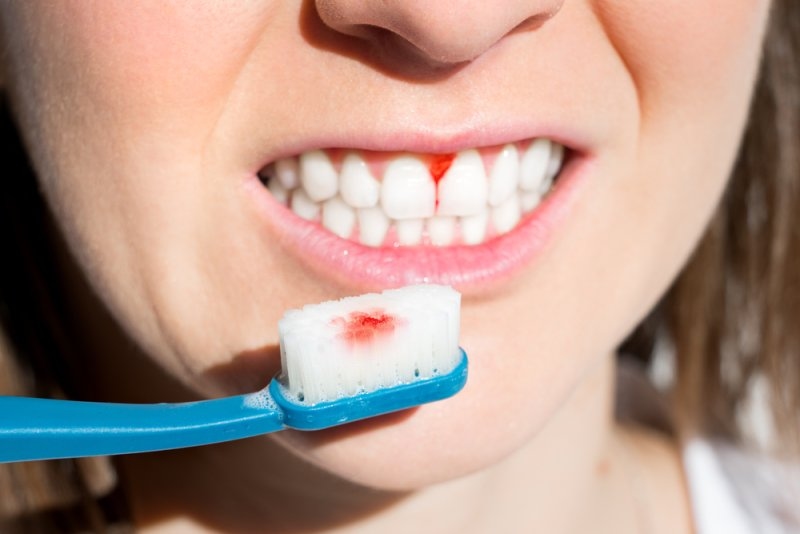
Seeing blood on your brush or floss can be a worry. A one-off irritation does not necessarily mean something serious, but if the bleeding of your gums continues they should never be ignored. Although they may be caused by a simple cause, there is usually a reason why the bleeding is occurring that can develop into more complex problems later on in life.
Let's find out some common causes of bleeding gums with their effective solutions:
Brushing and flossing correctly is perhaps the most common reason for bleeding gums. Plaque, which collects along the gumline, can cause inflammation. The gums then become sore, sensitive, and bleed more easily during normal cleaning.
Enhancing your oral care habits is the initial treatment for bleeding gums. Make it a point to brush at least twice every day with a soft-bristled toothbrush, carefully floss every single day, and visit your dentist for routine cleanings. Your gums will benefit greatly from a steady regimen of diligent oral care by removing lingering plaque that would damage your gum tissue.
Gingivitis is the first stage of gum disease and a common cause of bleeding. It occurs as a result of plaque constantly sitting on the teeth and irritating the gum tissue. The symptoms of gingivitis are redness and soreness, the gums being swollen and bleeding when brushing and flossing.
The positive aspect of this condition is that it is reversible if detected and treated early. The advanced case of acute gingivitis can be treated with professional dental cleaning in conjunction with improved daily oral care. Any neglect of symptoms may lead to progression of the disease into a more advanced form of periodontal ailment.
Untreated gingivitis can progress to periodontal disease, an advanced infection that compromises the tissues and bone supporting the teeth. The most common gum disease symptoms include bleeding, halitosis, recession of the gums, and loose teeth.
Most successful bleeding gums treatments for periodontal disease include deep cleaning, maintenance appointments, and better oral hygiene practices. A proactive approach to bleeding gums treatment can save your teeth and your mouth for a lifetime.
A common misconception is that the more effort that is put into brushing, the cleaner the teeth will be. This is not the case, as brushing too hard could result in inflammation of the gum tissue and bleeding. The use of a toothbrush with hard bristles may increase irritation.
If you switched to a soft toothbrush and adopted gentle circular brushing motions, you would notice a difference. The absence of excessive trauma but otherwise effective plaque control not only benefits the health of the gums but also wouldn't irritate them further.
Proper flossing technique is important. Aggressive flossing can traumatize a sensitive gingiva. Forcing floss into a contact point or snapping it in between teeth can cause puffy, bleeding gums.
Cut the piece of floss and unwind it from where you hold it with both thumbs and index fingers. Hold it loosely between the fingertips, floss in and out from the top of the tooth, bending the floss around it. Make sure you know the correct method to prevent irritation, reduce bleeding, remove better quality food debris, and promote vigorous gum health.
Changes in your hormone levels may make your gums more sensitive and liable to bleed. Hormonal changes related to pregnancy, adolescence, menopause, and your monthly cycle mean there is an increased blood supply to your gum tissue, swelling, and stimulated bleeding. Good oral hygiene is particularly essential in times like these. Regular dental appointments may also be needed to prevent any issues arising with the gums.
The mouth is an essential component of health and is widely unknown in terms of its contribution to that. Lack of essential vitamins, namely, Vitamin C and K, can cause gums to bleed more heavily as they are unable to coagulate properly. This is because of weakened tissue or thinning blood.
A balanced diet rich in vitamins, including plenty of fruits and vegetables, can improve gum health. Your doctor can advise you on what tests to have if a deficiency is suspected and if changing your diet can help improve bleeding gums treatment.
Certain medications can lead to increased bleeding. Blood thinners, certain anti-inflammatory drugs, and drugs that decrease saliva production can all have an impact on the health of the gums and cause sensitivity.
Consistently bleeding following the introduction of a new medicine, report this to your dentist or doctor. Do not change any medication without advice. When side effects occur, it is important to maintain good oral hygiene.
Smoking diminishes the ability of the host to fight infection and impairs healing. Smoking can hide many symptoms of early gum disease, while at the same time increasing the risk of more serious periodontal diseases. The gums become more and more susceptible to infection and damage.
If you stop using tobacco products, it can minimize oral health and physical health improvements. When used with a health professional, dental care may lessen bleeding gums and aid in preventing gum disease.
Irregular bleeding can sometimes be due to short-term irritation. If persistent, this needs to be checked out, so see your dentist if bleeding has been present for more than 1 week, bleeding happens several times a day, bleeding gums are associated with swollen gums, bad breath, or mobility of teeth.
A dental specialist can help determine the causes of bleeding gums, check for signs of gum disease, and be more informed about bleeding treatment. The earlier a condition is diagnosed, the less likely it is to require severe, expensive treatment.
Bleeding gums can be an early alert that there is a problem. If you are experiencing bleeding due to the effects of not brushing and flossing well enough, hormonal changes, the absence of certain nutrients, or gum disease, addressing the problem early can prevent much more serious problems in later life. Learning about the causes of bleeding gums and what steps you can take to prevent them can help maintain your gum health.
Yes, the immune system of a chronically stressed person is weakened, and the chances of increased inflammatory response throughout the body, including the gum tissues, increase. The body's defenses may also be challenged by oral bacteria and plaque. Therefore, by not paying proper attention to your oral care routine or keeping stress levels down, you may improve gum health.
No, this symptom isn't always accompanied by any pain or tenderness. Many people notice bleeding gums during the normal course of the day with no noticeable discomfort, especially in the initial phases. That is why it is so important to have your gums checked and examined periodically by the dentist, whether or not you experience any painful symptoms.
When the body is dehydrated, the production of saliva decreases. Saliva helps to cleanse the mouth of food debris, harmful germs, or toxins that can contribute to tooth plaque disease. It helps maintain the right moisture in your mouth. As a result, your gum may become inflamed, leading to bleeding.
After you take good oral hygiene and receive treatment for this issue, your gums may take some days or weeks to heal completely. But the time taken will depend on the cause or seriousness of the condition. Some minor reasons could be addressed within a week. For a serious condition, it could take some weeks or even months for you to regain your health fully and be in this state, always with daily care.
This content was created by AI